
By Reno Rise. Published September 20, 2026. Last updated September 20, 2026. General planning information, not legal or engineering advice.
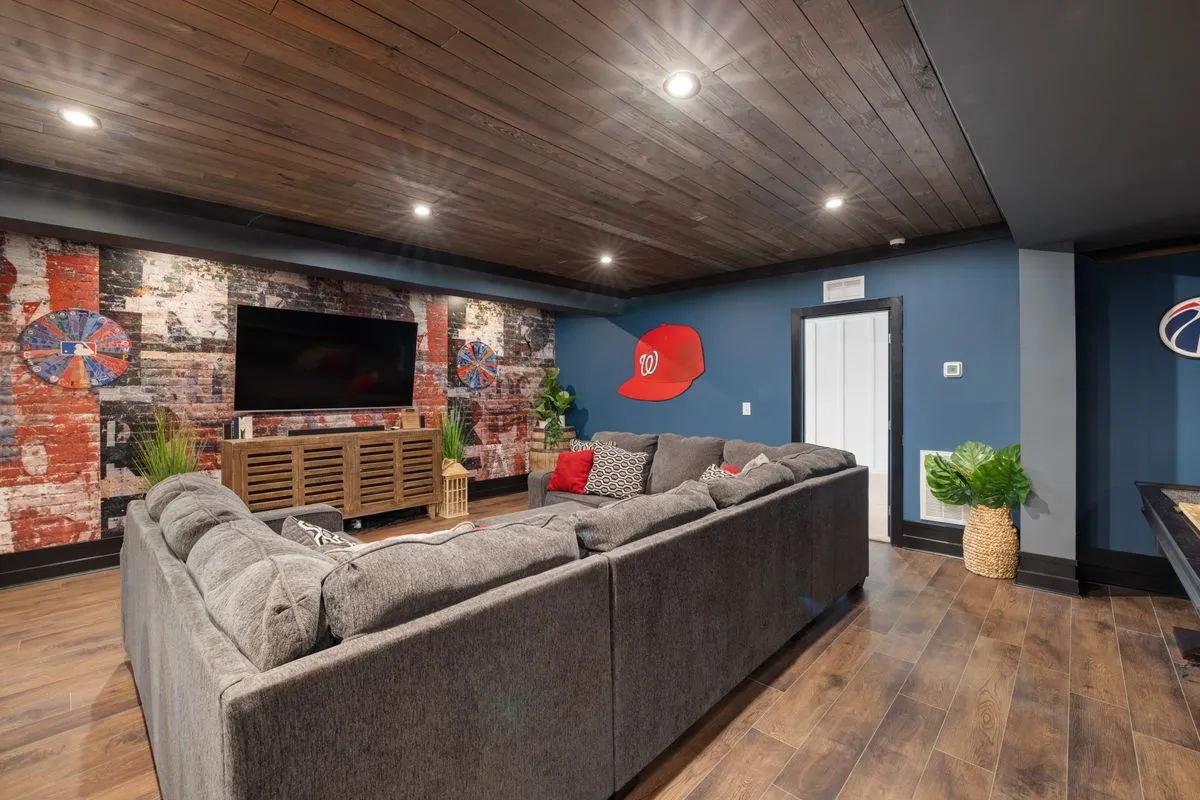
The best flooring for a basement in Toronto is the one your basement can actually support. That sounds like a dodge. It is the honest answer, and it saves people from the most common basement flooring mistake: falling in love with a material before finding out whether the floor underneath is dry.
So this guide does not crown a winner. It gives you a way to decide, then compares vinyl plank, tile, engineered flooring, laminate and carpet against the situations they tend to fit. If you want the full side-by-side, the basement flooring page has a comparison table.
General planning information, not engineering advice. Product suitability depends on the manufacturer’s instructions and a professional’s assessment of your slab and moisture conditions. Reno Rise does not install flooring; independent professionals do.
Start with moisture, not the material
A basement floor is normally a concrete slab in contact with the ground. Concrete is porous, and moisture can move through it even when nothing has ever leaked. Flooring manufacturers commonly require the slab to be tested before installation; ASTM F2170 describes one widely used method, in-slab relative-humidity probes, and notes that a result describes the slab only at the time and place it was tested.
Humidity in the room matters too. Health Canada advises keeping indoor relative humidity between 30% and 50%, with a dehumidifier where needed (Health Canada). If water has ever come in, fix that first. Why waterproofing comes before finishing explains the order, and basement waterproofing and wet basement repair cover the fixes.
Which floor fits which basement?
Think in situations rather than winners. This table is general decision support, not a recommendation for your house:
| Situation | Options to discuss | Main caution |
|---|---|---|
| Dry basement, family room or rec room | Vinyl plank, laminate rated for the space, engineered flooring approved below grade | Slab flatness and the manufacturer’s below-grade terms |
| Past moisture, now fixed and proven dry | Tile or vinyl over a suitable base; wait before wood or carpet | Prove it stays dry through a wet season first |
| Bathroom, laundry or utility area | Porcelain or ceramic tile | Flat, stable slab and proper preparation |
| Bedroom that should feel warm | Vinyl or laminate over an insulated subfloor; carpet tiles in a proven-dry room | Height used by the subfloor |
| Rental-style suite that needs to be durable | Vinyl plank or tile | Confirm ceiling height and requirements for a suite |
Notice what is missing: nothing on the list is right for every slab. Carpet is the option most sensitive to moisture, and Health Canada’s guide to moisture and mould suggests you “consider removing any carpets from the basement floor” (Health Canada). Solid hardwood is generally not recommended below grade; see Can You Install Hardwood Flooring in a Basement?
A short decision path
- Is the slab dry? Ask for testing where the product requires it, and fix water problems first.
- How will the room be used? A gym, a bedroom and a laundry room want different things.
- How much ceiling height can you spare? Subfloors and levelling compounds take height. Suites have stricter needs (see the legal secondary suite guide).
- Does the manufacturer allow this product below grade? Get the wording in writing.
- What does the whole floor cost, not just the boards? Ask for itemized quotes that separate preparation from materials and labour. Reno Rise does not publish price ranges; basement renovation cost in Toronto explains how to compare quotes.
Picture a household that picks the floor first: a warm-toned plank they saw online, then a slab test that comes back high. The plank was fine. The order was the problem. The reverse order costs a phone call, and it keeps the choice in your hands.
Where flooring fits in a basement project
Flooring usually comes near the end, after walls, wiring and plumbing. If you are planning the whole space, read basement renovation planning and basement finishing. For the flooring-specific version of this guide, the basement flooring page covers options, subfloor considerations and questions to ask a professional. Reno Rise can review your details and match your project with the contractor best suited to the work.
Frequently asked questions
Is vinyl plank a good choice for a basement?
It is a common choice because the plank itself does not absorb water like wood. It still depends on a flat, dry-enough slab, well-sealed edges and the manufacturer’s below-grade terms, and it does not stop water entering the basement.
Is tile a good choice for a basement floor?
Tile copes well with moisture and is often used in basement bathrooms and laundry rooms. It is hard and cool underfoot, needs a flat, stable slab and usually involves more preparation than a floating floor.
Which basement flooring is warmest?
Carpet and carpet tiles feel warmest, but they are the most moisture-sensitive. Vinyl or laminate over an insulated subfloor is another way to add warmth. Ceiling height and moisture conditions decide what is practical.
Does basement flooring have to be waterproof?
“Waterproof” is a marketing label that usually describes the plank or core, not the whole floor system. What matters is keeping water out of the basement in the first place and choosing a floor the manufacturer supports below grade.
Request a Basement Assessment
Share a few details about your basement and your plans. Reno Rise reviews what you send and matches your project with the contractor best suited to the work. This does not confirm an appointment, a quote or an approval.